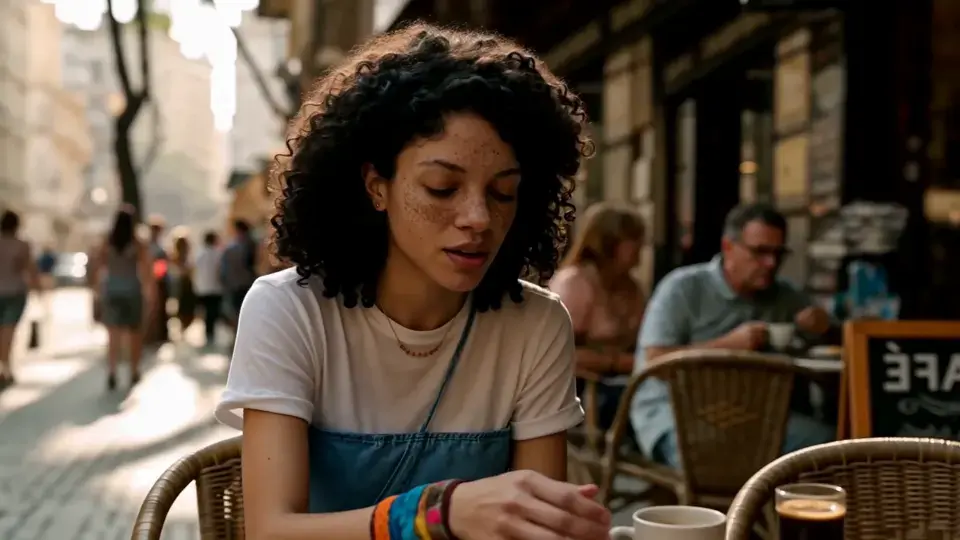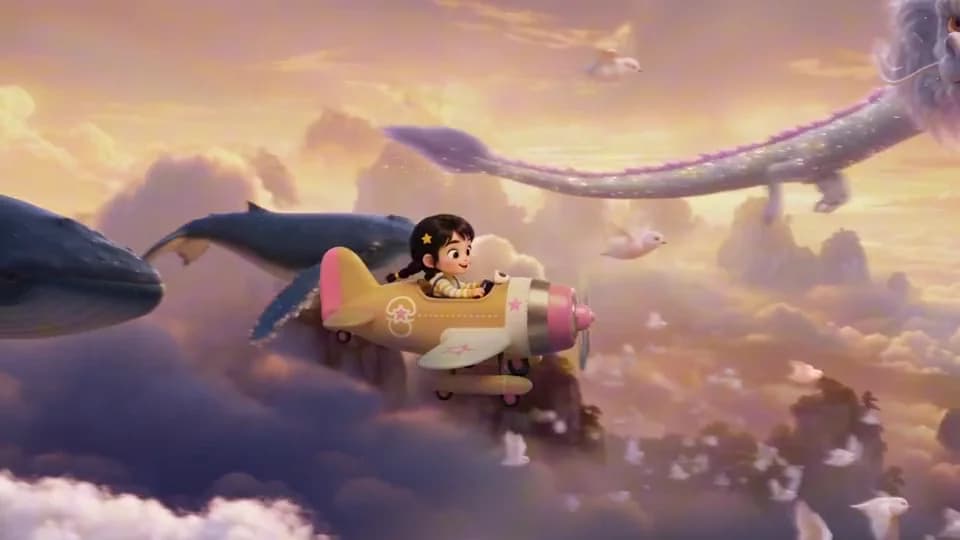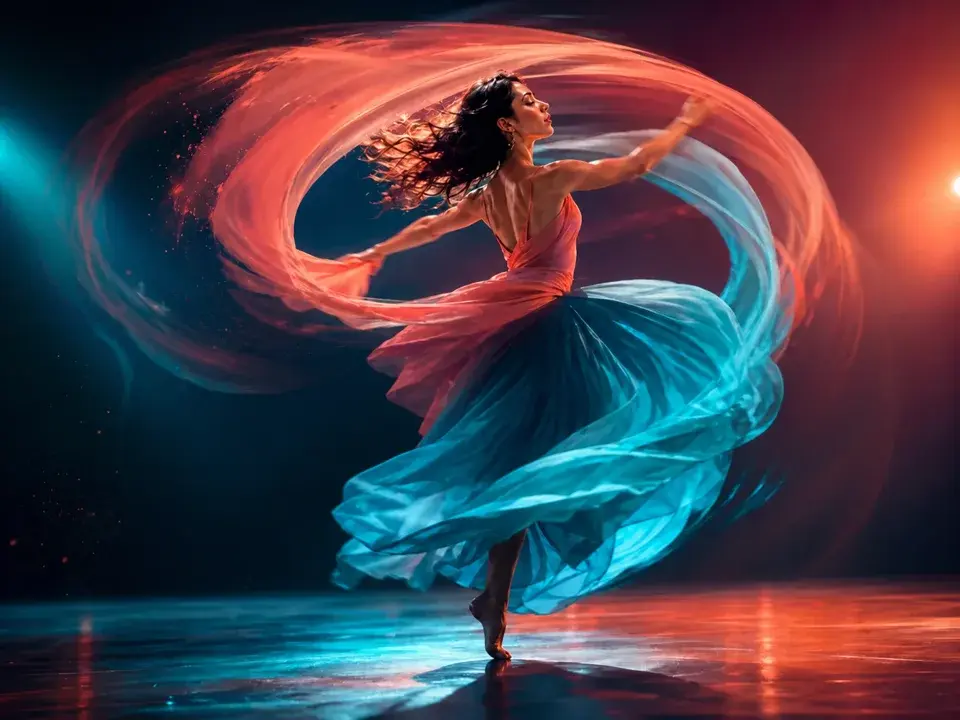
Wan 3.0 AI Video Generator

Turn a scene description or a still image into a video with Wan 3.0. Create product ads, cinematic moments, and social clips online, with up to 30 seconds of video and optional sound.

Wan 3.0 is part of Alibaba's Wan AI video model family. Raphael brings text-to-video, Wan image-to-video, and multimodal reference generation into one online workspace. Start with a prompt, animate an image, or add image, video, audio, document, or webpage references to guide your next clip.

Reference Images (Optional)
0 / 3,000
AI Enhance
Model
Aspect Ratio
Output Number
Resolution
Quality
Fast
Loading video models...

Wan 3.0 Video Examples

Explore fantasy scenes, martial arts, music, and product storytelling with Wan 3.0.

Official Wan 3.0 example
A Feast Above the Clouds
Prompt
“This is a 9-shot, 30-second fantasy short film about an oriental immortal mountain secret realm, rendered in a stylized manner, with an aesthetic reference to the New Chinese Style calendar poster illustration style—uniform thick and thin traditional gongbi lines outline characters, architecture, and cloud patterns; clouds and waves present layered, decorative shapes rather than realistic mist or water bodies; colors are watercolor washes with a distressed Xuan paper texture, using distressed green and pink-orange color palette; the overall picture presents a retro, nostalgic decorative aesthetic, explicitly avoiding photorealistic materials and 3D engine rendering. The giant turtle floats above the vast sea of clouds, carrying layered immortal mountains and palaces on its back. Patterned clouds and mist, like layered cotton balls, drift over the mountainsides. A fairy rides a gilded auspicious qilin, breaking through the clouds and descending, galloping through the air over a feast of ultimate bliss, overlooking the stage filled with music, dance, and various performances. She finally lands on the high platform in the square, joining musicians and dancers to bring the entire venue to a climax of jubilation. After the dynamic convergence, everyone returns to tranquility, with the immortal mountains floating at the end of the sea of clouds. The entire film uses a third-person observational narrative, with a mixed camera style throughout, using only four core techniques: FPV extreme shuttle, subjective perspective rapid follow, match cut relay, and slow-motion extension. All FPV and subjective shuttle shots must use high-speed camera movements to highlight the spectacular scene. Patterned clouds and waves maintain their complete outlines without collapsing or deforming during high-speed movements. The editing rhythm is mixed: an opening high-speed long shot establishes the scale of the giant object, the core action in the middle unfolds in detail with breathing pauses, the climax is a rapid cut convergence, and the ending is a slow long shot. The music is a fusion of ancient elegant music and modern ambient electronic music, with guzheng, konghou, and pipa as main instruments, and chimes for emphasis. The mood gradually transitions from distant to lively, with dense and intense drumbeats at the climax, returning to a distant mood at the end. Shot 1 (0-4 seconds · Atmosphere Transition) Long-shot FPV shuttle, plummeting at extreme speed from high above the sea of clouds. Patterned clouds maintain their complete cotton-ball-like outlines during the high-speed descent, expressing speed through overall color block displacement rather than fragmentation or deformation. The camera skims past the faint outline of the giant turtle's head, then whistles through several layers of mountains and floating palaces. Each layer of scenery, due to the excessive speed, appears only as fleeting color block outlines of decorative patterns. The silhouette of white cranes flapping their wings in the mountains is simplified with gongbi lines to represent speed afterimages. Finally, the camera rapidly descends and brakes, suddenly stabilizing close to the direction of the high platform in the square, revealing the outline of a bustling festival with lights and crowds. The ambient sound is the low-frequency atmospheric sound of surging clouds overlaid with the whistling of strong wind; the music quickly unfolds with guzheng and electronic sustained notes, gradually increasing in volume. Shot 2 (4-11 seconds · Core Showcase · Tier-A) Subjective perspective follow, simulating the fairy riding the qilin, a first-person long shot flying at extremely high speed close to the ground, overlooking the festival. The screen generates a sense of speed through overall color block displacement due to high-speed movement. The qilin's neck feathers are depicted with gongbi lines and color blocks, swirling with the airflow, with gilded red wash layers on the edges of the feather ornaments. The perspective skims low over the square at an almost uncontrolled speed. Scenery on both sides—dancers' wide sleeves surging like patterned cloud waves, musician formations playing pipa, guzheng, and konghou in unison, layered hanging lanterns and gauze curtains—appears only as fleeting decorative color blocks due to the excessive speed. The crowds and lights in the depth of the screen, due to the high-speed pass, do not have time to focus, forming blurred warm orange light streaks. Patterned clouds around the screen maintain their cotton-ball outlines, flowing with the perspective. The core action is the qilin's continuous high-speed gliding through a complete arc: in the initial phase, the qilin spreads its wings and gallops close to the ground, the perspective shakes violently, bringing out a strong sense of speed; in the development phase, the qilin leaps up and sweeps over the heads of the crowd, the perspective fluctuates greatly, the panoramic view of the square appears in violent shaking and is then thrown out of the frame by speed; in the climax phase, the qilin hovers for a moment, flapping its wings directly below the aura of the spiritual tree, the screen speed suddenly drops to zero, creating a strong contrast, the aura fills the screen with distressed golden washes, and gongbi lines restore clarity and completeness at the moment of stillness; then the qilin accelerates even more fiercely, swooping down towards the high platform in the square, with a continuous sense of speed throughout. Dynamic phenomena: lanterns swing violently with the airflow, patterned gauze curtains rise and fall in layers without outline collapse. Shot audio: ambient sound is the bustling atmosphere of the crowd overlaid with the whistling of rushing airflow; key sound effect is the brief amplification of pipa arpeggios when passing the musician formation; music drumbeats begin to intensify, with chimes interspersed. Shot 3 (11-19 seconds · Core Showcase · Tier-A) Mid-shot to close-up, gongbi lines outline the contours, warm washes express light and shadow layers. The musician sits on one side of the high platform, holding a pipa diagonally in front of her. Her skin is rendered with watercolor washes, showing a soft, rosy texture. A delicate vermilion dot between her brows is subtly blended. Several pearl strings hanging in her hair are depicted with gongbi lines, gently swaying as she bows her head. She wears a moon-white long-sleeved gown with dark patterns, overlaid with a fiery orange half-sleeve embroidered with gold. The fabric is rendered with watercolor washes, showing varying depths and natural folds and shadows, with continuous and uniform outlines. The core action is a complete musical passage from plucking and strumming to a rolling finger transition, then to a sweeping strum finish: in the initial phase, the right thumb and index finger alternate light plucking and strumming, the strings are depicted with simple lines showing slight vibrations; in the development phase, it transitions to rolling fingers, here not locking finger precision, the camera shifts to a close-up focusing on the strings themselves—the strings show blurred, vibrating afterimages of gongbi lines due to high-speed plucking, hand movements are expressed through fluid overall contour rhythm rather than individual finger line details; in the climax phase, the musician's arm suddenly lifts, her palm makes a large sweeping strum across all strings, the arpeggio creates an exploding visual effect with color block washes, the instrument's outline visibly vibrates with the force, and the wide sleeve outline swings up and down significantly with the arm movement. The camera here transitions to slow-motion extension, capturing the details of the silk's sway and the strings' vibration during this sweeping moment. The layered changes of watercolor washes are clearly visible in slow motion; finally, the musician's hand pauses above the strings, breathing slightly, her eyes suddenly lift to look towards the center of the square, her expression absorbed and lost in the moment. Other subject reactions: a hundred-person music and dance formation in the distance, simplified into patterned group figures, raises their sleeves in response to the exploding strum. Shot audio: key sound effect is the strong sound of the exploding pipa strum and the heavy beat of the drums precisely coinciding; the musical instrumentation reaches its density peak here, with chimes and sheng and xiao playing in unison. Shot 4 (19-21 seconds · Atmosphere Transition, Breathing Pause) Mid-shot, overhead view, the lingering sound of the strum has not dissipated, a brief, frozen-like slow motion of the panoramic view of the square, the moment the wide sleeves of the hundred-person music and dance formation are suspended motionless in mid-air, the patterned lanterns sway gradually slower, the screen speed suddenly slows down to create a strong sense of breathing contrast, the distressed Xuan paper texture washes show soft layers in the light beams. Shot audio: drumbeats briefly sparse, chimes' lingering sound long. Shot 5 (21-27 seconds · Core Showcase · Tier-A) Mid-shot to close-up, gongbi lines outline the contours, backlighting expressed with washes showing soft halos on hair and silk edges. In the center of the square, a dancer stands alone before the hundred-person formation. Her skin is rendered with watercolor washes, showing a soft texture. Her eyebrows are subtly blended with fine gongbi lines, arching upwards. Her black hair is tied high, with a flame-patterned gold ornament at the top, depicted with lines and color blocks showing refracted light. She wears a fiery orange gradient sheer long silk wide-sleeved gown. The silk fabric is rendered with watercolor washes, showing a light, translucent quality with layered edges. Several yards of long silk are wrapped around her arms, trailing by her sides. The core action is the complete arc of the long silk swirling: in the initial phase, the dancer's arms are drawn in, the long silk loosely draped and coiled by her side, her eyes slightly closed, gathering momentum; in the development phase, her waist suddenly rotates, driving her arms to swing out widely, the long silk forms a huge spiral trajectory in the air like patterned flames, her body tilts significantly with the momentum of the swing and then rights itself, the tail of the long silk trails a simplified motion afterimage trajectory with gongbi lines, the outline remains continuous without collapsing; in the climax phase, the dancer rotates to her highest speed, then stabilizes her center of gravity, her arms suddenly spread out, the long silk fully unfurls around her into a huge patterned flame halo, the outline remains uniformly clear without breaking or twisting at the moment of unfurling; finally, the long silk slowly gathers and falls, the dancer breathes slightly, her eyes open to look towards the high platform in the square, her expression relaxed and lost in the moment. Other subject reactions: the hundred-person formation raises their sleeves in unison at the moment the long silk unfurls, the aura of the spiritual tree brightens significantly, and patterned clouds are tinged with warm washes. Shot audio: ambient sound briefly recedes; key sound effect is the whoosh of the long silk unfurling combined with strong chime notes; music five-layer instrumentation plays in unison, peak volume of the entire film. Shot 6 (27-30 seconds · Atmosphere Transition, Long Shot Conclusion) Long shot, slowly rising overhead view, the lingering glow of the long silk and the jubilation of the square gradually sink into the patterned clouds and mist. The qilin's silhouette has disappeared into the depths of the lights. The hundred-person formation and musicians gradually shrink, blending into the scale of the immortal mountains. The aura of the spiritual tree transforms into a soft, lingering wash of color. Patterned clouds re-converge, covering the mountainside. The screen freezes on a panoramic view of mist-shrouded immortal mountains floating at the end of the vast sea of clouds. Gongbi lines in the long shot are simplified into soft mountain outlines, and the distressed Xuan paper texture washes return to tranquility. Shot audio: ambient sound returns to the distant low-frequency atmosphere of the sea of clouds; only the guzheng's lingering notes and electronic sustained notes remain, gradually fading to silence, concluding the entire film.”

From an Idea to a Wan AI Video

Choose a starting point that fits your project: a written scene, a product image, or a collection of references. Set the duration and resolution before generating.


Official Wan 3.0 example
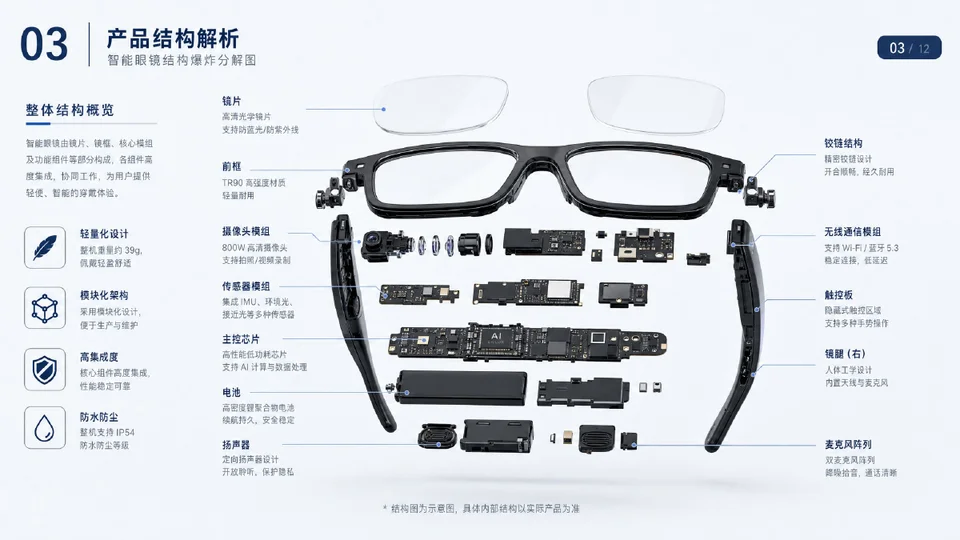
PPTX: glass.pptx · 1PPTX: glass.pptx · 2PPTX: glass.pptx · 3PPTX: glass.pptx · 4
PPTX
After
“A high-end smart glasses product advertisement, with an overall minimalist, futuristic, fashion-forward style, restrained lighting, a palette of black, silver-gray, and ice-blue as main tones, with localized soft white light accents and parameter UI graphics. Opening on a pure black background, a pair of smart glasses slowly emerges from the darkness, with refined highlights gliding along the temple edges, the frame silhouette outlined under cold edge lighting. The camera passes in extreme close-up over the lenses, nose pads, hinges, temples, and material details, showcasing the delicate texture of metal and high-performance composite materials, with a refined and restrained surface treatment and slim, flowing lines. The product then slowly rotates in midair, with minimalist motion graphics displaying core parameter information in sync. The camera then quickly converges, all components precisely returning to assemble into the complete product. It transitions to a young model wearing the glasses — the model has defined features, confident demeanor, dressed in sleek, upscale urban fashion, naturally turning their head, raising their hand, walking, and smiling in a minimalist space and urban lighting environment. The camera shows the glasses from front, side, and rear-oblique angles, highlighting the slim fit, fashionable silhouette, and everyday versatility. The ending features the product floating and frozen against a solid-color background, with the camera slowly pushing in toward the brand logo and core slogan. The overall music is minimalist electronic ambiance with precise beats, clean and powerful rhythm. The visual quality is refined, restrained, and pure, with a strong brand signature and international tech aesthetic.”

Turn a Product PPT into a Wan Video Ad

Use a product presentation as a reference and describe the ad style, product shots, and usage scenes you want. This smart glasses example shows how Wan 3.0 turns product information into a technology ad. You can also combine document input with image, video, or audio references.
Official Wan 3.0 example
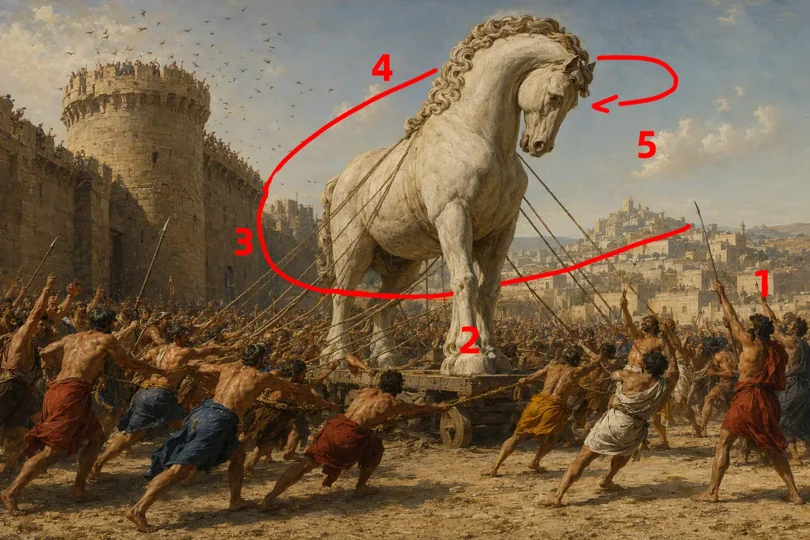
Draw a Path to Guide the Camera - InputBefore
After
“[Hard requirements for the base image] The final footage completely removes all red lines, numeric markers, arrows, and auxiliary marks; no text or watermarks appear in the frame. Surreal photorealistic 8K classical-oil-painting texture, thick brushstrokes and pigment grain clearly discernible, UE5 cinematic-grade lighting render, warm-toned side-backlight of a Greek afternoon, golden-brown dust churning and drifting through the light shafts. The giant white wooden horse, the wooden trailer and rollers, the taut thick hemp ropes, the Trojan stone city wall and round watchtower on the left, and the distant mountain-city complex all retain their original form, proportions, and positions unchanged. Human proportions are natural and undistorted; only the original rope-pulling crowd and the defenders on the wall remain — no extra figures are added. Robes stay in the original ochre-red, indigo, earth-yellow, and off-white. [Core camera-movement rules] First-person FPV drone-perspective, single take, one uninterrupted continuous motion throughout, flying along the complete path of red line 1→2→3→4→5 in Image 1, skipping no segment, simplifying no trajectory, changing no order. The opening is not a straight flat flight — it first rises up-left to clear the tow-rope zone, then dives down in a large wave arc. Waypoint 2 must genuinely pass through the space beneath the horse's belly; it cannot skirt around the horse body or sweep past its side. The overall speed-layered cadence is fast → slow → fast. [Segmented by waypoint] Segment 1 (waypoint 1 → waypoint 2): high-speed cut-in thrust, a dive that first rises then drops. The camera takes off at low altitude from the right edge of the frame, beside the spear tips of the cheering spear-bearers, rises sharply up-left at extreme speed, sweeping over rows of taut tow ropes, climbing above the distant mountain-city complex to skim past it, then sharply yaws downward at the position just right of the horse's chest, pressing the nose down and diving along the top of the crowd's heads and raised spears. Arms and banners rush past on both sides, kicked-up dust is torn into long streamers by the airflow, and the nose dives straight for the shadow beneath the horse's belly. Segment 2 (waypoint 2, passing through the belly): ducking beneath the horse, the speed suddenly slows. The camera drops to an extreme low, threading in between the horse's four massive pillar-like legs, passing through the shadowed space directly beneath the belly — overhead are the wood-grain planks and chisel marks of the belly underside, on both sides are thick ropes, trailer planks, and iron-banded rollers, below is the dusty ground trampled by countless feet. Light dims abruptly, leaving only golden light bars leaking through the gaps; the sense of scale presses to its maximum. Segment 3 (waypoint 2 → waypoint 3): slow motion, tilting up and turning sharply. The camera emerges from the other side of the belly and, near the rear of the horse close to the left city wall, pulls out a large U-shaped rising arc in slow motion, sweeping past the carved texture of the tail and hind legs. The airframe slowly tilts up, and the massive bulk of the stone city wall and round watchtower in the background gradually fills the frame as the camera rises. Segment 4 (waypoint 3 → waypoint 4): maintaining slow motion, climbing and orbiting along the spine. The camera slowly climbs along the horse's spine line from back to front, sweeping past the wood seams of the back, the curly carved mane, and the undulations of the neck muscles one by one. Circling birds in the sky scatter in front of the lens; the defenders densely packed on the wall and the distant mountain city drift slowly backward below. Segment 5 (waypoint 4 → waypoint 5): sudden acceleration, a head-circling whip to finish. After passing the top of the mane, the camera suddenly accelerates, whipping right into a full closed loop around the horse's head — first darting into the open sky to the horse's right-front, then sharply reversing and pressing back, and finally speeding straight toward the horse's head. The motion stops dead in the final instant. [Final hold frame] The camera holds on a close-up position directly in front of the horse's head: the horse's eye, nostril, and chiseled mane dominate the frame, rim light traces a golden outline around the head, and the background is the defocused blue sky, drifting clouds, and distant mountain city. [Lighting and quality notes] No cuts throughout, no shot splits, no transition breaks — retain the native FPV wide-angle slight-distortion texture of a single continuous shot. The afternoon golden light always comes from the upper-right of the frame; while passing through the belly, it undergoes one natural exposure transition from bright to dark and back to bright. Dust-particle and airborne-microdust density intensifies with speed, and the oil-painting brushstroke and pigment grain stay consistent across the entire piece — no photo-real plastic sheen appears.”

Draw a Path to Guide the Camera

Mark a route and numbered points on a reference image, then describe the camera's movement in your prompt. This Wan 3.0 example takes a continuous drone shot through a wooden-horse scene, using the drawn path to guide turns, changes in height, and pacing. The finished video removes the reference marks.

Official Wan 3.0 example
“This is a 9-shot, 30-second fantasy short film about an oriental immortal mountain secret realm, rendered in a stylized manner, with an aesthetic reference to the New Chinese Style calendar poster illustration style—uniform thick and thin traditional gongbi lines outline characters, architecture, and cloud patterns; clouds and waves present layered, decorative shapes rather than realistic mist or water bodies; colors are watercolor washes with a distressed Xuan paper texture, using distressed green and pink-orange color palette; the overall picture presents a retro, nostalgic decorative aesthetic, explicitly avoiding photorealistic materials and 3D engine rendering. The giant turtle floats above the vast sea of clouds, carrying layered immortal mountains and palaces on its back. Patterned clouds and mist, like layered cotton balls, drift over the mountainsides. A fairy rides a gilded auspicious qilin, breaking through the clouds and descending, galloping through the air over a feast of ultimate bliss, overlooking the stage filled with music, dance, and various performances. She finally lands on the high platform in the square, joining musicians and dancers to bring the entire venue to a climax of jubilation. After the dynamic convergence, everyone returns to tranquility, with the immortal mountains floating at the end of the sea of clouds. The entire film uses a third-person observational narrative, with a mixed camera style throughout, using only four core techniques: FPV extreme shuttle, subjective perspective rapid follow, match cut relay, and slow-motion extension. All FPV and subjective shuttle shots must use high-speed camera movements to highlight the spectacular scene. Patterned clouds and waves maintain their complete outlines without collapsing or deforming during high-speed movements. The editing rhythm is mixed: an opening high-speed long shot establishes the scale of the giant object, the core action in the middle unfolds in detail with breathing pauses, the climax is a rapid cut convergence, and the ending is a slow long shot. The music is a fusion of ancient elegant music and modern ambient electronic music, with guzheng, konghou, and pipa as main instruments, and chimes for emphasis. The mood gradually transitions from distant to lively, with dense and intense drumbeats at the climax, returning to a distant mood at the end. Shot 1 (0-4 seconds · Atmosphere Transition) Long-shot FPV shuttle, plummeting at extreme speed from high above the sea of clouds. Patterned clouds maintain their complete cotton-ball-like outlines during the high-speed descent, expressing speed through overall color block displacement rather than fragmentation or deformation. The camera skims past the faint outline of the giant turtle's head, then whistles through several layers of mountains and floating palaces. Each layer of scenery, due to the excessive speed, appears only as fleeting color block outlines of decorative patterns. The silhouette of white cranes flapping their wings in the mountains is simplified with gongbi lines to represent speed afterimages. Finally, the camera rapidly descends and brakes, suddenly stabilizing close to the direction of the high platform in the square, revealing the outline of a bustling festival with lights and crowds. The ambient sound is the low-frequency atmospheric sound of surging clouds overlaid with the whistling of strong wind; the music quickly unfolds with guzheng and electronic sustained notes, gradually increasing in volume. Shot 2 (4-11 seconds · Core Showcase · Tier-A) Subjective perspective follow, simulating the fairy riding the qilin, a first-person long shot flying at extremely high speed close to the ground, overlooking the festival. The screen generates a sense of speed through overall color block displacement due to high-speed movement. The qilin's neck feathers are depicted with gongbi lines and color blocks, swirling with the airflow, with gilded red wash layers on the edges of the feather ornaments. The perspective skims low over the square at an almost uncontrolled speed. Scenery on both sides—dancers' wide sleeves surging like patterned cloud waves, musician formations playing pipa, guzheng, and konghou in unison, layered hanging lanterns and gauze curtains—appears only as fleeting decorative color blocks due to the excessive speed. The crowds and lights in the depth of the screen, due to the high-speed pass, do not have time to focus, forming blurred warm orange light streaks. Patterned clouds around the screen maintain their cotton-ball outlines, flowing with the perspective. The core action is the qilin's continuous high-speed gliding through a complete arc: in the initial phase, the qilin spreads its wings and gallops close to the ground, the perspective shakes violently, bringing out a strong sense of speed; in the development phase, the qilin leaps up and sweeps over the heads of the crowd, the perspective fluctuates greatly, the panoramic view of the square appears in violent shaking and is then thrown out of the frame by speed; in the climax phase, the qilin hovers for a moment, flapping its wings directly below the aura of the spiritual tree, the screen speed suddenly drops to zero, creating a strong contrast, the aura fills the screen with distressed golden washes, and gongbi lines restore clarity and completeness at the moment of stillness; then the qilin accelerates even more fiercely, swooping down towards the high platform in the square, with a continuous sense of speed throughout. Dynamic phenomena: lanterns swing violently with the airflow, patterned gauze curtains rise and fall in layers without outline collapse. Shot audio: ambient sound is the bustling atmosphere of the crowd overlaid with the whistling of rushing airflow; key sound effect is the brief amplification of pipa arpeggios when passing the musician formation; music drumbeats begin to intensify, with chimes interspersed. Shot 3 (11-19 seconds · Core Showcase · Tier-A) Mid-shot to close-up, gongbi lines outline the contours, warm washes express light and shadow layers. The musician sits on one side of the high platform, holding a pipa diagonally in front of her. Her skin is rendered with watercolor washes, showing a soft, rosy texture. A delicate vermilion dot between her brows is subtly blended. Several pearl strings hanging in her hair are depicted with gongbi lines, gently swaying as she bows her head. She wears a moon-white long-sleeved gown with dark patterns, overlaid with a fiery orange half-sleeve embroidered with gold. The fabric is rendered with watercolor washes, showing varying depths and natural folds and shadows, with continuous and uniform outlines. The core action is a complete musical passage from plucking and strumming to a rolling finger transition, then to a sweeping strum finish: in the initial phase, the right thumb and index finger alternate light plucking and strumming, the strings are depicted with simple lines showing slight vibrations; in the development phase, it transitions to rolling fingers, here not locking finger precision, the camera shifts to a close-up focusing on the strings themselves—the strings show blurred, vibrating afterimages of gongbi lines due to high-speed plucking, hand movements are expressed through fluid overall contour rhythm rather than individual finger line details; in the climax phase, the musician's arm suddenly lifts, her palm makes a large sweeping strum across all strings, the arpeggio creates an exploding visual effect with color block washes, the instrument's outline visibly vibrates with the force, and the wide sleeve outline swings up and down significantly with the arm movement. The camera here transitions to slow-motion extension, capturing the details of the silk's sway and the strings' vibration during this sweeping moment. The layered changes of watercolor washes are clearly visible in slow motion; finally, the musician's hand pauses above the strings, breathing slightly, her eyes suddenly lift to look towards the center of the square, her expression absorbed and lost in the moment. Other subject reactions: a hundred-person music and dance formation in the distance, simplified into patterned group figures, raises their sleeves in response to the exploding strum. Shot audio: key sound effect is the strong sound of the exploding pipa strum and the heavy beat of the drums precisely coinciding; the musical instrumentation reaches its density peak here, with chimes and sheng and xiao playing in unison. Shot 4 (19-21 seconds · Atmosphere Transition, Breathing Pause) Mid-shot, overhead view, the lingering sound of the strum has not dissipated, a brief, frozen-like slow motion of the panoramic view of the square, the moment the wide sleeves of the hundred-person music and dance formation are suspended motionless in mid-air, the patterned lanterns sway gradually slower, the screen speed suddenly slows down to create a strong sense of breathing contrast, the distressed Xuan paper texture washes show soft layers in the light beams. Shot audio: drumbeats briefly sparse, chimes' lingering sound long. Shot 5 (21-27 seconds · Core Showcase · Tier-A) Mid-shot to close-up, gongbi lines outline the contours, backlighting expressed with washes showing soft halos on hair and silk edges. In the center of the square, a dancer stands alone before the hundred-person formation. Her skin is rendered with watercolor washes, showing a soft texture. Her eyebrows are subtly blended with fine gongbi lines, arching upwards. Her black hair is tied high, with a flame-patterned gold ornament at the top, depicted with lines and color blocks showing refracted light. She wears a fiery orange gradient sheer long silk wide-sleeved gown. The silk fabric is rendered with watercolor washes, showing a light, translucent quality with layered edges. Several yards of long silk are wrapped around her arms, trailing by her sides. The core action is the complete arc of the long silk swirling: in the initial phase, the dancer's arms are drawn in, the long silk loosely draped and coiled by her side, her eyes slightly closed, gathering momentum; in the development phase, her waist suddenly rotates, driving her arms to swing out widely, the long silk forms a huge spiral trajectory in the air like patterned flames, her body tilts significantly with the momentum of the swing and then rights itself, the tail of the long silk trails a simplified motion afterimage trajectory with gongbi lines, the outline remains continuous without collapsing; in the climax phase, the dancer rotates to her highest speed, then stabilizes her center of gravity, her arms suddenly spread out, the long silk fully unfurls around her into a huge patterned flame halo, the outline remains uniformly clear without breaking or twisting at the moment of unfurling; finally, the long silk slowly gathers and falls, the dancer breathes slightly, her eyes open to look towards the high platform in the square, her expression relaxed and lost in the moment. Other subject reactions: the hundred-person formation raises their sleeves in unison at the moment the long silk unfurls, the aura of the spiritual tree brightens significantly, and patterned clouds are tinged with warm washes. Shot audio: ambient sound briefly recedes; key sound effect is the whoosh of the long silk unfurling combined with strong chime notes; music five-layer instrumentation plays in unison, peak volume of the entire film. Shot 6 (27-30 seconds · Atmosphere Transition, Long Shot Conclusion) Long shot, slowly rising overhead view, the lingering glow of the long silk and the jubilation of the square gradually sink into the patterned clouds and mist. The qilin's silhouette has disappeared into the depths of the lights. The hundred-person formation and musicians gradually shrink, blending into the scale of the immortal mountains. The aura of the spiritual tree transforms into a soft, lingering wash of color. Patterned clouds re-converge, covering the mountainside. The screen freezes on a panoramic view of mist-shrouded immortal mountains floating at the end of the vast sea of clouds. Gongbi lines in the long shot are simplified into soft mountain outlines, and the distressed Xuan paper texture washes return to tranquility. Shot audio: ambient sound returns to the distant low-frequency atmosphere of the sea of clouds; only the guzheng's lingering notes and electronic sustained notes remain, gradually fading to silence, concluding the entire film.”

Build a Scene from Your Words

Describe a subject, setting, action, and camera movement to create a video from text. Wan 3.0 gives you room for a short visual story, whether you are imagining a surreal world or planning a cinematic social clip. Choose a duration from 2 to 30 seconds and output up to 1080P.

Official Wan 3.0 example
“Generate a cinematic Japanese sci-fi game opening CG, approximately 24 seconds long, based on three reference images. [Image 1] is the sole appearance reference for the male character. [Image 2] is the sole appearance reference for the female character. [Image 3] is the reference for the space, architectural materials, and lighting of a traditional wooden dojo. Throughout the entire film, strictly maintain consistent facial features, hairstyles, clothing, body proportions, and mechanical accessories for both characters. Do not change the male's goggles, silver-gray hair, and dark gray long coat; do not change the female's twin buns, red mechanical mask, and white combat suit. 【Overall Style】 A high-budget Japanese action RPG opening CG, with mature sci-fi animation art, exquisite cel-shaded rendering combined with cinematic 3D space. The visual atmosphere is similar to a player entering a hidden training level: a cold white digital virtual space gradually loads into a warm brown traditional dojo, blending technology with an Eastern martial arts space. The camera is restrained, creating a sense of pressure, without formal combat, only showing the confrontation before the level begins. 【Shots and Dialogue】 [0–3 seconds] A pure white, boundless virtual space. The male character stands with his back to the female character in the foreground, while the female character appears in the distance. Only faint electronic hum and a low pulse sound are present in the space. The camera smoothly and quickly pushes in from an extreme long shot, circling to the male's front, forming a close-up of his upper body. The male's expression is calm, as if he has been waiting here for a long time. The male does not speak. [3–8 seconds] The camera rapidly ascends to a vertical overhead view. Light gray digital coordinate lines and architectural grids light up sequentially beneath their feet, spreading outwards along the ground, as if a hidden level is loading. Accompanied by a low system startup sound, wooden floorboards generate piece by piece from beneath their feet outwards; wooden pillars rise vertically one by one; beams automatically connect in the air; walls, shoji doors, and roof structures construct layer by layer. The architectural generation process is continuous and precise, with the visual effect of a high-end game engine loading a scene in real-time. [8–11.5 seconds] The camera rapidly descends from above, transitioning to a low angle close to the wooden floor, sliding forward between the two characters. The dojo is fully generated. Warm sunlight passes through the shoji windows, casting regular long strip shadows on the wooden floor. A small amount of dust floats in the air, the sound of architectural generation gradually ceases, and the space falls into a brief silence. The female first looks around the newly generated dojo, pauses for half a second, then lowers her voice and asks in an alert and calm Japanese: 「ここは……何のステージ?」 Pronunciation rhythm is natural, approximately: Ko-ko wa……nan-no su-tē-ji? Meaning: This is... what kind of stage? [11.5–14.5 seconds] Cut to a medium-close shot of the female character. She no longer speaks. She quickly adjusts her center of gravity, her body slightly sinking, and raises her right hand, palm facing the male, adopting a precise and restrained martial arts defensive stance. Her red mechanical mask emits a brief glow, and the mechanical device on her ear completes a scan. Her gaze remains vigilant, without exaggerated expression. [14.5–19 seconds] Cut to a medium shot of the male character. The male calmly turns, the hem of his long coat swaying slightly. He slowly raises his right hand, palm facing the female, responding to her stance with a calm demeanor. The camera slowly pushes in towards the male. The male finishes his lines completely and calmly, with natural pauses in between, answering in a low, calm, level-manager-like Japanese: 「お前の適性を測る、最初の試練だ。」 Pronunciation rhythm is natural, approximately: O-ma-e no te-ki-sei o ha-ka-ru、sai-sho no shi-ren da. Meaning: This is the first trial to measure your aptitude. The male does not show a clear smile when speaking, his voice is steady, without anger or shouting. [19–24 seconds] Cut to a close-up of the male's front. The dojo background gradually shows a slight digital dissipation effect, the warm environment is covered by intense cold white light, fading back into the original pure white virtual space. A cold white scanning light sweeps across the surface of the male's goggles. After the screen pauses for half a second, a low system female voice is heard from a distance, without displaying subtitles: 「適性試験、開始。」 Pronunciation: Te-ki-sei shi-ken、kai-shi. Meaning: Aptitude test, start. Finally, accompanied by a short, powerful system confirmation sound, the screen freezes and ends. 【Sound Design】 At the beginning, use low electronic ambient sounds, faint spatial pulses, and distant mechanical resonance. During scene generation, add digital grid activation sounds, wooden module unfolding sounds, wooden pillar rising sounds, and low-frequency structural closing sounds. The sounds should have weight but not be overly noisy. After the dojo is fully generated, the environmental sound suddenly lowers, retaining only the reverberation of the wooden space, slight fabric friction, and character breathing sounds. Characters use natural Japanese voice acting: The female's voice is young, calm, and alert, avoiding cute or exaggerated anime tones. The male's voice is low, mature, and composed, like a mentor, level guardian, or quest guide. The system female voice is clear, cold, and emotionless, like a game system prompt. 【Generation Control】 When characters speak, Japanese lip-syncing should be accurate and synchronized. Only the character currently in the shot should speak, avoiding mismatched voices. Each Japanese line must be spoken completely, without rushing or compressing the speaking speed; natural pauses and breaths should be maintained before and after the lines. Emphasize the loading sequence of the dojo: Digital coordinates activate → Grid spreads outwards → Wooden floorboards lay out piece by piece → Wooden pillars rise sequentially → Beams automatically connect → Walls and shoji doors generate → Complete dojo closes. Neither character engages in fast combat, running, or jumping. They only observe the environment, adjust their stances, raise their palms to initiate a pose, and confront each other. Character hand palms and finger structures should be natural; facial features, hairstyles, masks, goggles, and clothing should remain stable throughout; architectural perspective should be accurate; camera movement should be fluid. No subtitles, titles, UI interfaces, game menus, numerical values, identifiers, storyboard borders, or watermarks should appear on screen.”

Guide Motion with Multimodal References

Combine character images with video references for movement and camera direction. Add audio to guide the mood, or use a document or public webpage as a creative brief. Tell Wan how each reference should influence the scene to shape the look, action, and atmosphere of a new video.

Official Wan 3.0 example
“Generate a 24-second cinematic international hip-hop music video with photorealistic quality, a high-end street fashion MV aesthetic, and a fast-paced, confident, powerful rhythm. [Reference Images] Image 1: Reference for the four-person group lineup, character identities, clothing, and overall styling. The entire video will consistently feature four people: one female lead vocalist, one male DJ, and one hype performer on each side. No new characters, duplication, or swapping of characters is allowed. Image 2: Reference for the female lead vocalist's face, hairstyle, makeup, silver and black functional-style clothing, and handheld microphone. All close-ups should maintain the same face and outfit. Image 3: Reference for the rooftop stage, DJ booth, wet reflective ground, lighting, glass railing, and city skyline. The entire video will consistently take place on the same rooftop. [Core Concept] Different voices, one beat. The same lead vocalist naturally switches between eight languages in the same original, catchy international hip-hop anthem. The music is approximately 106 BPM, immediately entering a strong groove in the first second without slow atmospheric build-up; it uses heavy, impactful kicks, crisp, clear snares, a bouncy and syncopated bassline, and a clear, memorable, hummable two-bar electronic synthesizer and short brass hook. This core hook is established from the beginning, continuously returning with brief variations between each language switch, and fully erupts in the beat drop at 21 seconds. The eight languages flow like a continuous rap flow within the same song, always naturally landing on the beat, not mechanically reciting words sentence by sentence; the accompaniment always maintains melody, rhythm, and a sense of forward momentum, not weakening due to lip-syncing. [Shot Sequence] The entire video maintains a clear and stable spatial axis: the lead vocalist is always in the front center, the DJ is always at the back equipment console, and the two performers are always on either side. The camera primarily moves forward, pulls back, or smoothly pans along the front axis, with each shot executing only one main movement; the rhythm primarily comes from performance, shot size changes, and hard cuts, not relying on continuous circling, frequent whip pans, or sudden reversals. Shot 1 | 0-3 seconds Low-altitude aerial shot flying over city buildings, rapidly descending to the rooftop stage from Image 3. The lead vocalist is in the front center, the DJ is at the back equipment console, and the two performers are on either side. As the camera approaches the lead vocalist, it transitions to a low-angle wide-angle push-in. The lead vocalist looks up directly at the camera, singing: “One beat.” The last heavy beat drops, hard cut. Shot 2 | 3-6 seconds Frontal medium close-up of the lead vocalist's bust, strictly referencing Image 2. The stabilizer pushes in a short distance along the front axis and naturally stops, with city lights forming a blurred bokeh in the background. The lead vocalist holds the microphone in one hand, and with the other hand, points towards the camera with the beat, nodding her head powerfully. The lead vocalist sings: “同一个节拍。” The last word lands on the beat, directly hard cut to the next shot size. Shot 3 | 6-9 seconds Macro shot of the DJ operating the turntable, faders, and glowing buttons, then quickly panning up to reveal the DJ in the background and the lead vocalist performing sideways in the foreground. The equipment and character layout remain stable. The lead vocalist sings: “ひとつのリズム。” Hard cut at the moment the DJ presses a button. Shot 4 | 9-12 seconds 3/4 side medium shot of the lead vocalist, with the camera smoothly panning a short distance from left to right, always maintaining a horizontal horizon and the established spatial axis. The two performers groove in the background on either side, with different movements but unified rhythm. The lead vocalist follows the camera with her eyes and slight head turns. The lead vocalist sings: “하나의 리듬.” On the last beat, the lead vocalist raises her hand and sweeps past the camera, creating a wipe transition. Shot 5 | 12-15 seconds Low-angle wide-angle pan. The lead vocalist walks towards the camera along the rooftop performance area, her silver jacket gently blown by the night wind, with city lights in the background creating obvious motion parallax, and the wet ground reflecting warm golden light. The lead vocalist sings: “Um só ritmo.” Footsteps land on the heavy beat, hard cut. Shot 6 | 15-18 seconds Medium close-up of the lead vocalist and the female performer on the right. The two first stand back-to-back, then simultaneously turn towards the camera. The lead vocalist finishes singing, and the performer responds to the rhythm with shoulder and arm movements, not stealing the focus. The lead vocalist sings: “จังหวะเดียวกัน.” The last beat is naturally wiped by the right performer's shoulder passing the camera, completing a cover transition. Shot 7 | 18-21 seconds A short, powerful, but steady forward push, moving from a medium shot to a close-up of the lead vocalist and immediately stopping. The lead vocalist enters a flow climax, with determined eyes and powerful gestures. The DJ and the two performers simultaneously raise their hands in the background, and the rooftop lights intensify with the beat. The lead vocalist sings: “Un mismo ritmo.” The last word ends, hard cut directly in the stable composition. Shot 8 | 21-24 seconds Side back-lit close-up of the lead vocalist, with one side of her face illuminated by warm golden rim light, and the other side retaining deep blue shadow. The lead vocalist first sings: “إيقاع واحد.” Then the beat drops, and the camera smoothly pulls back along the front axis to a heroic wide shot, with the horizon remaining horizontal. The four people form a stable triangular stance, with the lead vocalist in front, the DJ in the back center, and the two performers on either side. Everyone takes a step forward towards the camera with the beat. The lead vocalist sings: “Different voices, one beat.” Everyone responds in unison on the last beat: “One beat.” Everyone freezes their movements, the lead vocalist looks directly at the camera, and the scene ends. [Performance Requirements] All of the lead vocalist's lyrics must be precisely lip-synced, with natural pronunciation, accents, and speaking speed maintained across all eight languages, but the lead vocalist's vocal line, identity, and overall flow remain consistent. Head, shoulders, gestures, and body weight naturally move with the beat. No mechanical recitation, no changing of character, clothing, age, or vocal line when switching languages. [Visual Requirements] City rooftop at blue hour to night, with deep blue, silver-gray, warm gold, and a small amount of magenta neon color palette. A mix of 24mm, 35mm, 50mm cinema lenses, real shallow depth of field, delicate film grain, slight atmospheric haze, and realistic skin texture. Editing creates a sense of speed through clear changes in long, medium, and close shots, but adjacent shots do not frequently reverse motion direction. Primarily uses hard cuts, match cuts, and one natural wipe; avoids large-scale circling, continuous whip pans, Dutch angles, and inconsistent push-ins. No subtitles, no lyrics text, no brand logos, no UI, no watermarks. Clear facial features, natural fingers, stable microphone and DJ equipment, no floating or distortion. The identities, clothing, hairstyles, accessories, and setting of all four people remain consistent throughout the video.”

Bring Sound into the Scene

Wan video generation can include dialogue, music, and environmental sound alongside the picture. Describe the audio you want and enable sound in the generator, or leave it off for a silent clip that you can score later. This suits performance videos, atmospheric scenes, and short stories.

Explore other models

Switch between top video models in one generator.
Wan 3.0 vs Wan 3.0 Prime

Both models support the same generation modes and reference types. Choose Wan 3.0 for a lower credit cost, or Prime when faster generation matters more.

FeatureWan 3.0Wan 3.0 Prime
Generation modesText, first/end frames, referencesText, first/end frames, references
Resolution480P / 720P / 1080P480P / 720P / 1080P
Output duration2–30 seconds2–30 seconds
Reference inputsImage, video, audio, document or webpageImage, video, audio, document or webpage
Generated soundOptional; off by defaultOptional; off by default
Starting cost · 480P, 2 seconds28 credits42 credits
Main advantageLower credit costFaster generation

Use the same creative approach with either model. Your resolution, output duration, and reference-video duration determine the credit total shown in the generator.

Choose Your Plan

Free images include a watermark. Upgrade for clean outputs, faster generation, and commercial use.

Pro

-50%
$20$10/month
Billed Annually ·$240$120/year

Unlimited Model Benefits

  • Seedream 3.5Unlimited
  • Seedream 3.5 ProUnlimited Not Included

  • MiniMax H3 TurboUnlimited Not Included
  • MiniMax H3Unlimited Not Included
  • Upgrade to unlock all advanced models and enjoy exclusive discounts
    MiniMax H3-70%GeminiNano BananaGPT-50%Seedream-40%VeoSeedance 2.5Kling
  • 2,000 credits per month
  • Up to 2,000 fast images
  • Up to 200 basic videos
  • Priority queue
  • No watermarks
  • Batch processing with AI tools
  • Full privacy
Recommended

Ultimate

-50%
$40$20/month
Billed Annually ·$480$240/year

Unlimited Model Benefits

  • Seedream 3.5Unlimited
  • Seedream 3.5 ProUnlimited
  • MiniMax H3 TurboUnlimited Not Included
  • MiniMax H3Unlimited Not Included
  • Upgrade to unlock all advanced models and enjoy exclusive discounts
    MiniMax H3-70%GeminiNano BananaGPT-50%Seedream-40%VeoSeedance 2.5Kling
  • 5,000 credits per month
  • Up to 5,000 fast images
  • Up to 500 basic videos
  • Highest priority queue
  • No watermarks
  • Batch processing with AI tools
  • Full privacy

Max

-50%
$80$40/month
Billed Annually ·$960$480/year

Unlimited Model Benefits

  • Seedream 3.5Unlimited
  • Seedream 3.5 ProUnlimited
  • MiniMax H3 TurboUnlimited
  • MiniMax H3Unlimited
  • Upgrade to unlock all advanced models and enjoy exclusive discounts
    MiniMax H3-70%GeminiNano BananaGPT-50%Seedream-40%VeoSeedance 2.5Kling
  • 10,000 credits per month
  • Up to 10,000 fast images
  • Up to 1,000 basic videos
  • Highest priority queue
  • No watermarks
  • Batch processing with AI tools
  • Full privacy

Wan 3.0 Frequently Asked Questions

Learn how to use Wan AI online, animate images, add references, and plan your video credits.

1

What is Wan AI, and where does Wan 3.0 fit?

Wan AI is Alibaba's family of generative models. Wan 3.0 is a video model in that family, supporting text-to-video, first-frame and first/end-frame animation, and multimodal reference generation. You can use it online in Raphael without installing a model locally.

2

How do I use Wan 3.0 online?

Write your scene description in the generator above. Add an image for image-to-video, or switch to reference mode to use other source materials. Choose the duration, resolution, aspect ratio, and sound setting, review the credit total, then generate your video.

3

How does Wan image to video work?

Upload an image as the first frame and describe the movement or camera direction. An optional end frame can guide how the clip finishes. For several images that guide subjects or style rather than the first and last frames, use reference mode instead.

4

Which reference materials can I use?

Reference mode accepts up to 10 images, 5 videos, and 5 audio clips, plus one document or one public webpage. Documents and webpage links cannot be used together. Add files through the same material input and paste a complete public webpage link into the prompt box to create a reference card.

5

What video lengths and resolutions are available?

Choose a whole-second duration from 2 to 30 seconds and a resolution of 480P, 720P, or 1080P. Reference videos can total up to 15 seconds, and their combined duration plus the output must stay within 30 seconds. A 10-second video reference therefore leaves up to 20 seconds for the output.

6

Can Wan 3.0 generate video with sound?

Yes. Enable sound to generate audio with the video and describe the dialogue, music, or ambience in your prompt. Sound is off by default in Raphael, and turning it on does not change the credit rate.

7

Is Wan AI video generation free on Raphael?

Wan 3.0 uses credits rather than free generation. Output costs 14 credits per second at 480P, 27 at 720P, and 53 at 1080P. Reference-video duration is charged at the same rate; images, audio, documents, and webpage references do not add a separate input charge. Check the total displayed before generating.

8

What is the difference between Wan 3.0 and Prime?

Both support the same modes, resolutions, durations, and reference types. Wan 3.0 costs fewer credits; Prime is the faster generation option. Choose based on your budget and turnaround needs, without treating Prime as a separate set of creative capabilities.

Raphael AI

Turn Your Next Idea into a Wan 3.0 Video