
🍌Nano Banana 2 Lite AI Image Generator
It takes about 4 seconds to generate a 1K image, about 2.7x faster than Nano Banana 2.
Nano Banana 2 Lite is based on Google Gemini 3.1 Flash-Lite Image. Among the Nano Banana 2 family, it is the cheapest option for one 1K image and has the fastest generation speed. Raphael consumes 11 credits per 1K image, making it suitable for high-concurrency generation, interactive editing, and workflows that need many iterations. It supports text-to-image, image editing, multi-image composition, character consistency, and readable in-image text by design, and can use up to 14 reference images at once.
What can Nano Banana 2 Lite create right away?
See mature examples of real transformations from source image to output image, and reuse the corresponding prompts directly.
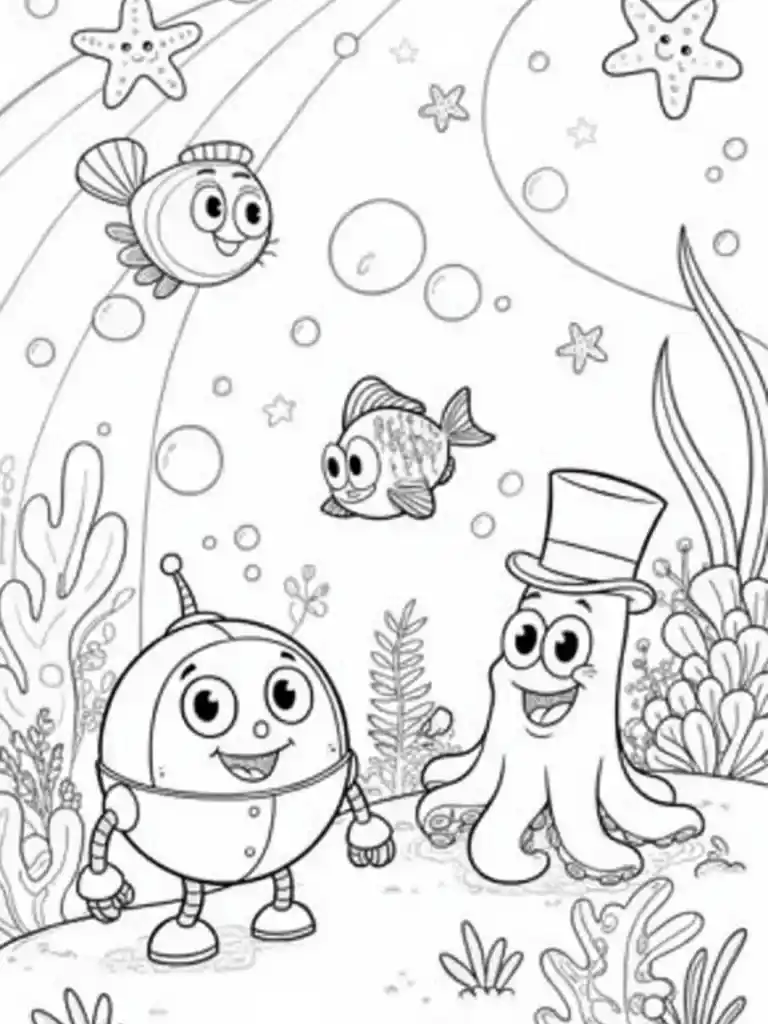
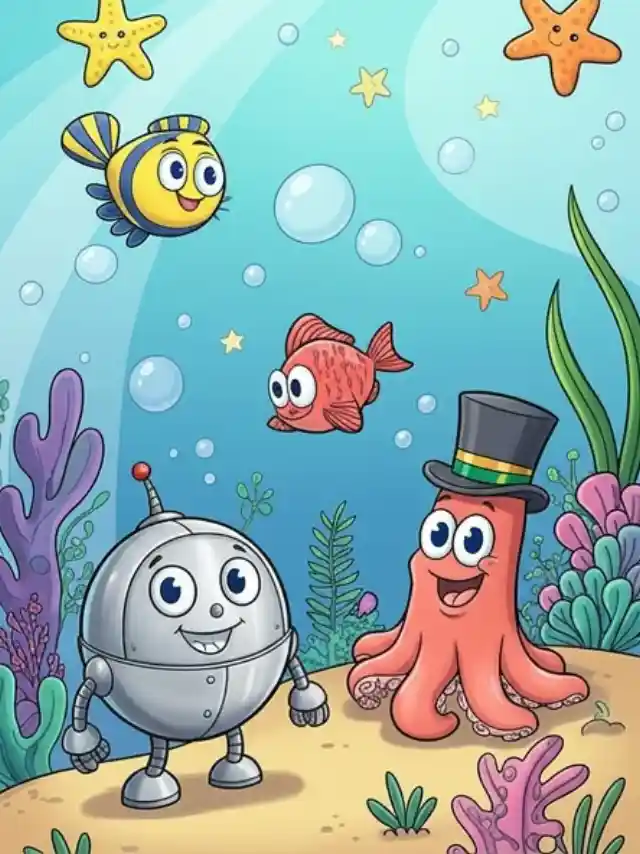
Comic coloring
1 / 9Color a black-and-white line drawing. Use clean, vibrant, and balanced colors. Use natural shadow and soft highlights to create depth while keeping the comic style. Use smooth gradients, a harmonious palette, and consistent light direction. Do not change character anatomy, faces, poses, or proportions. Do not add extra elements not present in the line art. Produce high-quality, professional comic coloring.
Core strengths of Nano Banana 2 Lite
From speed and cost to editing capability, it is clear why this is right for bulk 1K image production.
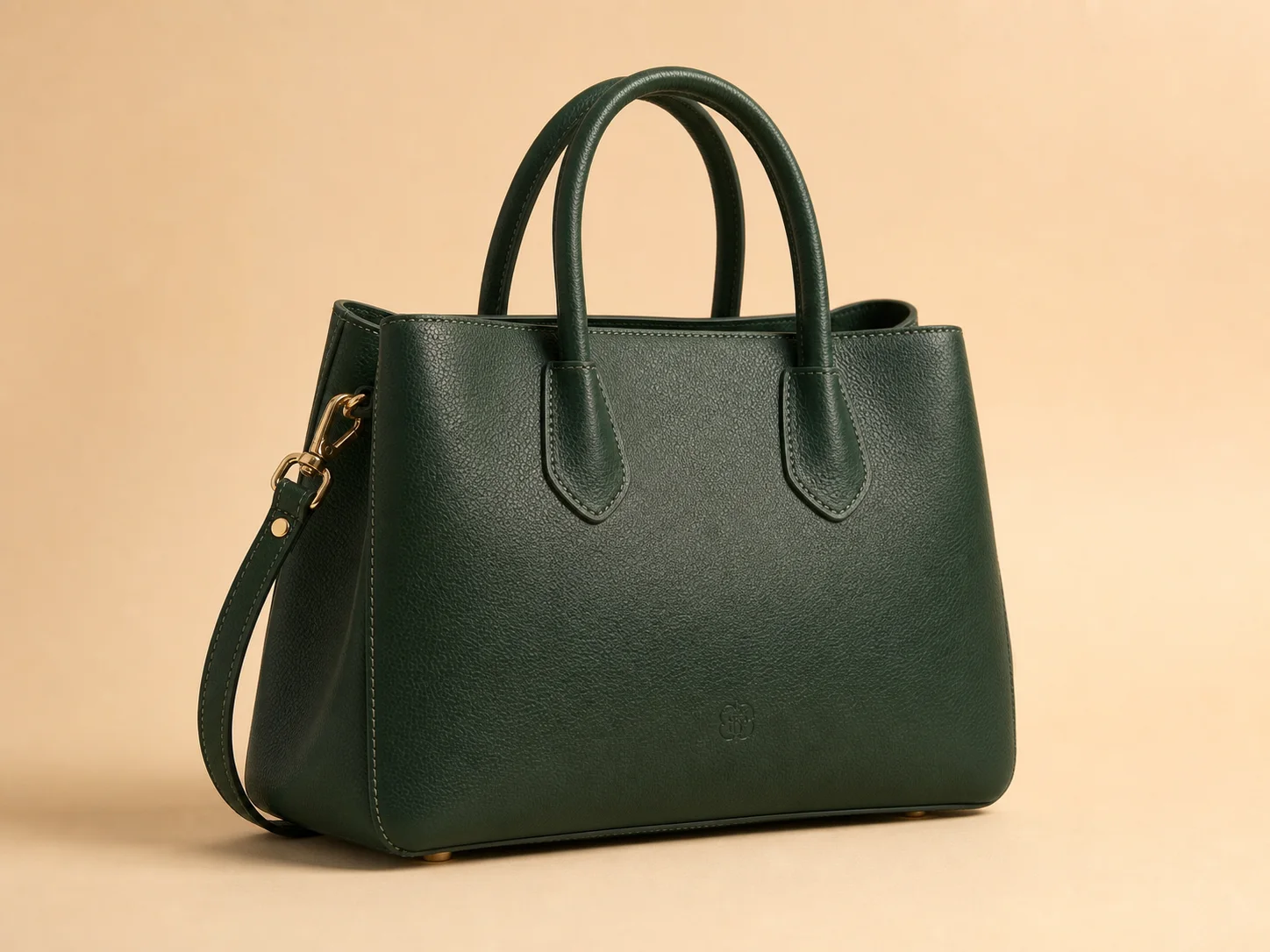
About 4 seconds per image, about 2.7x faster than Nano Banana 2
A single image usually returns in about 4 seconds, around 2.7x the speed of Nano Banana 2. The model is particularly suitable for real-time editors, chat-based iterative editing, high-concurrency APIs, and tasks that require trying multiple versions continuously; the trade-off is output fixed at 1K, without 2K or 4K. Actual latency is still affected by queue status, number of reference images, and prompt complexity.
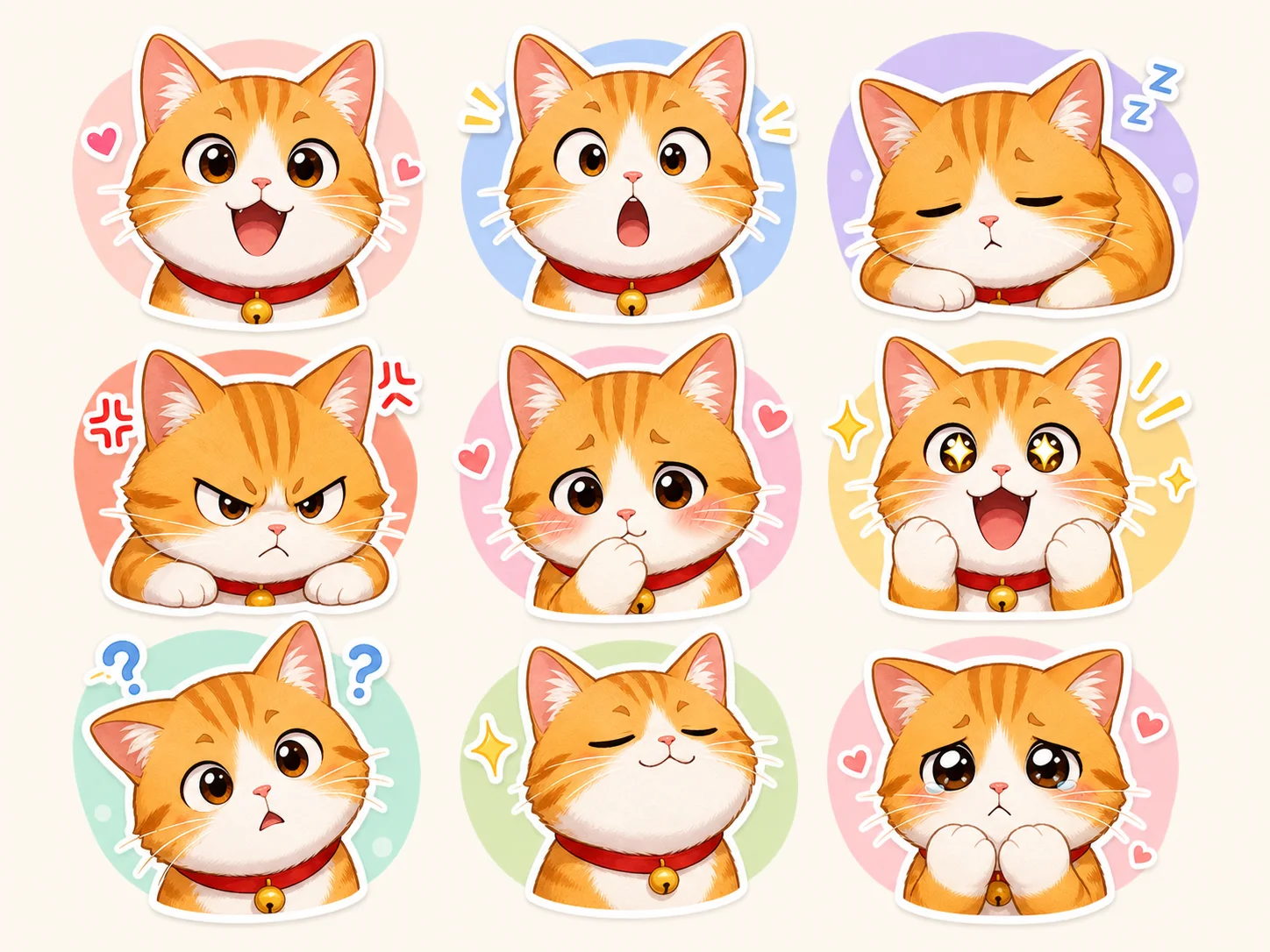
Lowest cost at 1K in the Nano Banana 2 line
At Raphael, Lite costs 11 credits per 1K image; Nano Banana 2 costs 23 credits per 1K; Nano Banana Pro costs 45 credits per 1K. So within the Nano Banana 2 generation lineup, Lite is the best choice for bulk output, A/B testing, and high-frequency iteration. The older Nano Banana belongs to a previous generation and is not included in this same-generation lowest-cost comparison.
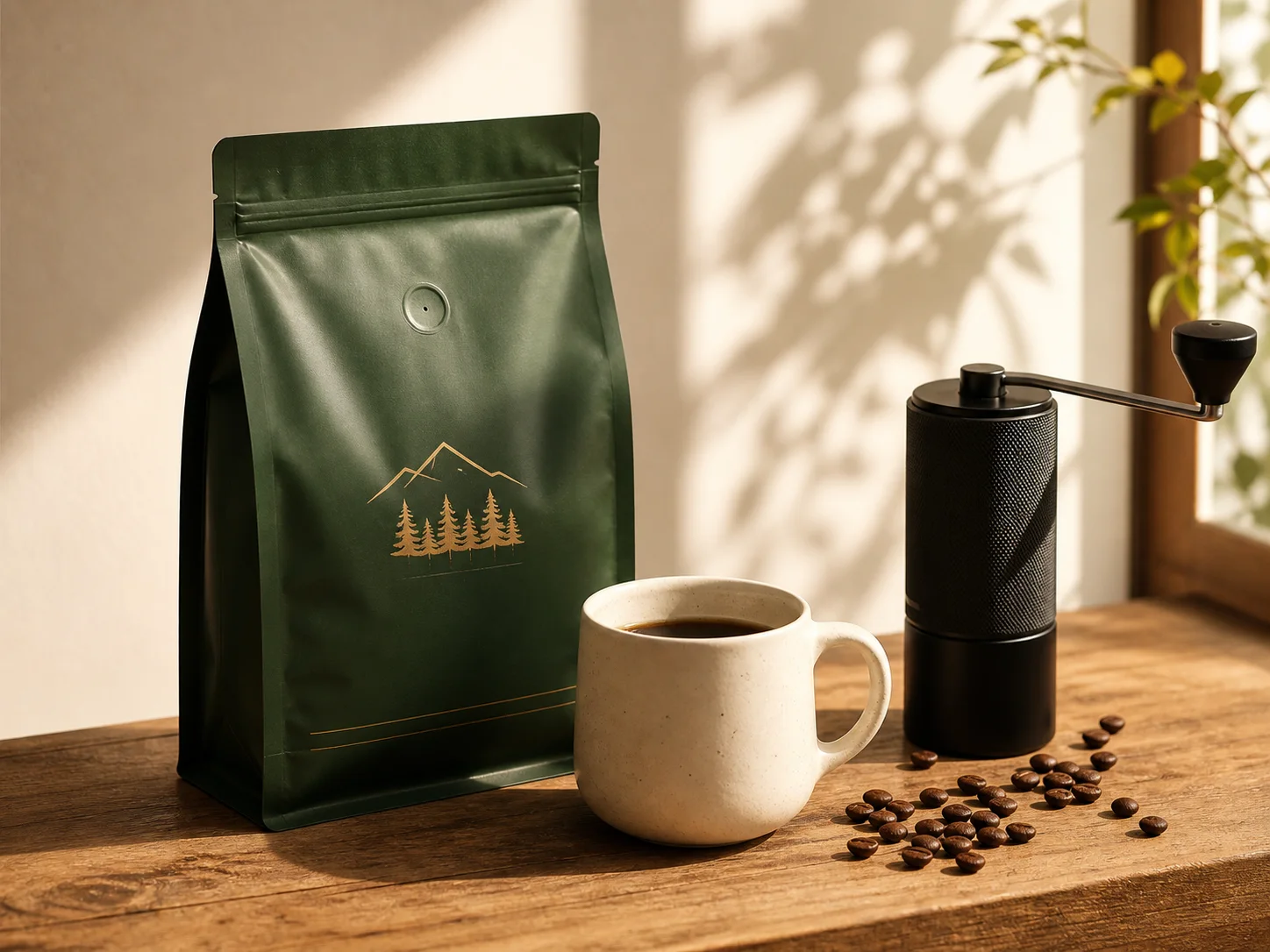
Generate, edit, and multi-reference compose in one workflow
The same model natively handles text-to-image generation, text-based editing on existing images, and multi-reference composition. It supports up to 14 references per request, allowing you to draw on characters, products, outfits, scenes, and style references in one pass to quickly swap backgrounds, materials, add or remove elements, and merge multiple subjects.
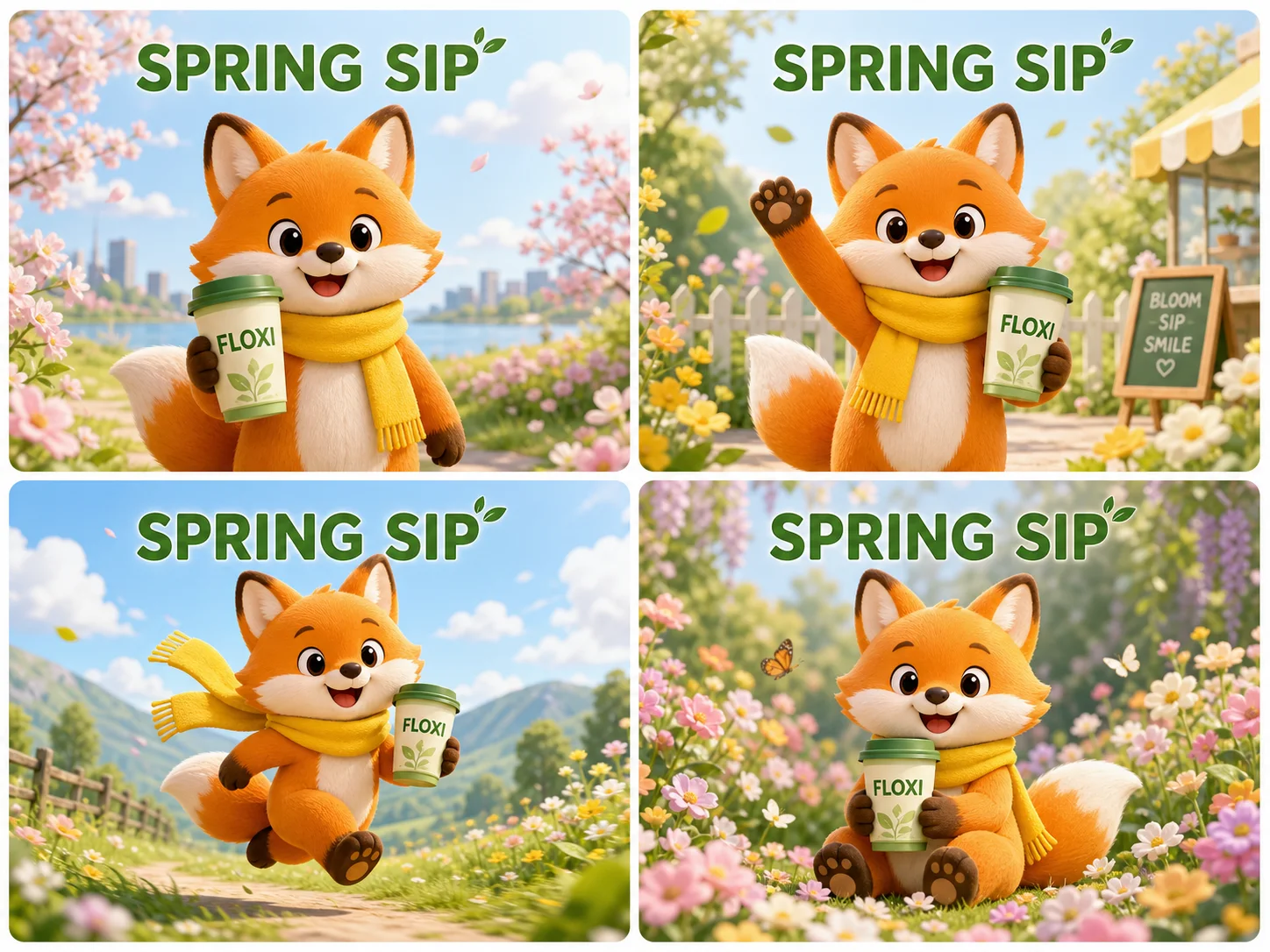
Character consistency and readable on-image text
The model can preserve key traits of characters, pets, mascots, or products across continuous editing and multi-subject composition, and can also produce readable short text in posters, packaging, menus, and social cards. It is especially suitable for fast production of marketing assets and character variants; for complex typography, long-form text, or final print-ready deliverables, manual review is still recommended.
Explore other models
Switch between top image models in one generator.
 NEW
NEWNano Banana 2.1
Up to 4K, multi-reference editing, web and image search.
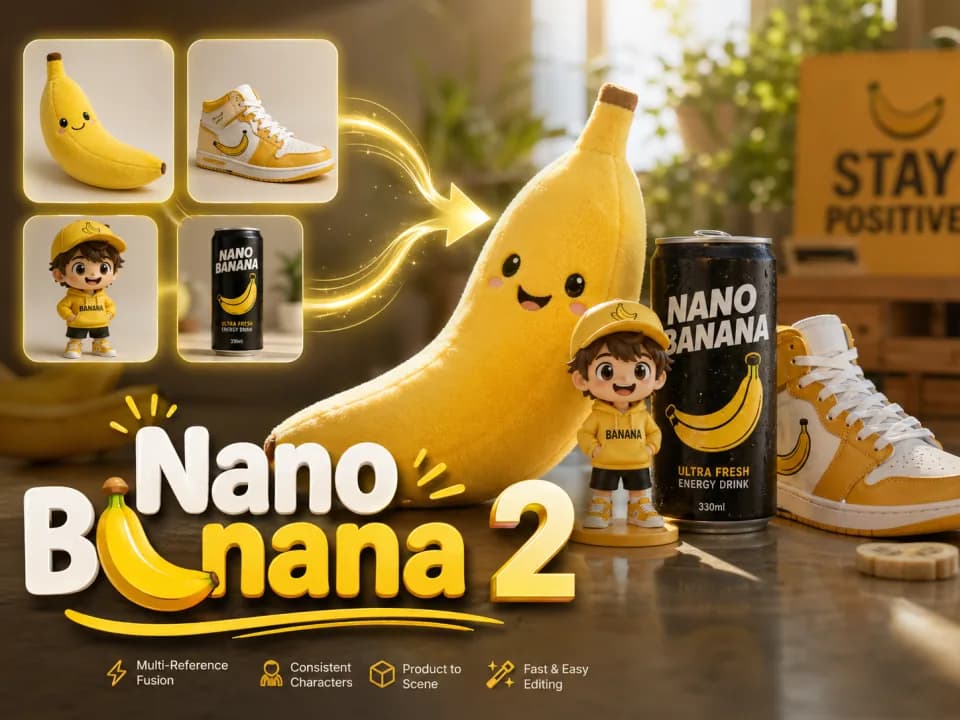
Nano Banana 2
Multi-reference edits with fast style control.

GPT Image 2.5
Flare: fast creation, reference fidelity and natural detail.
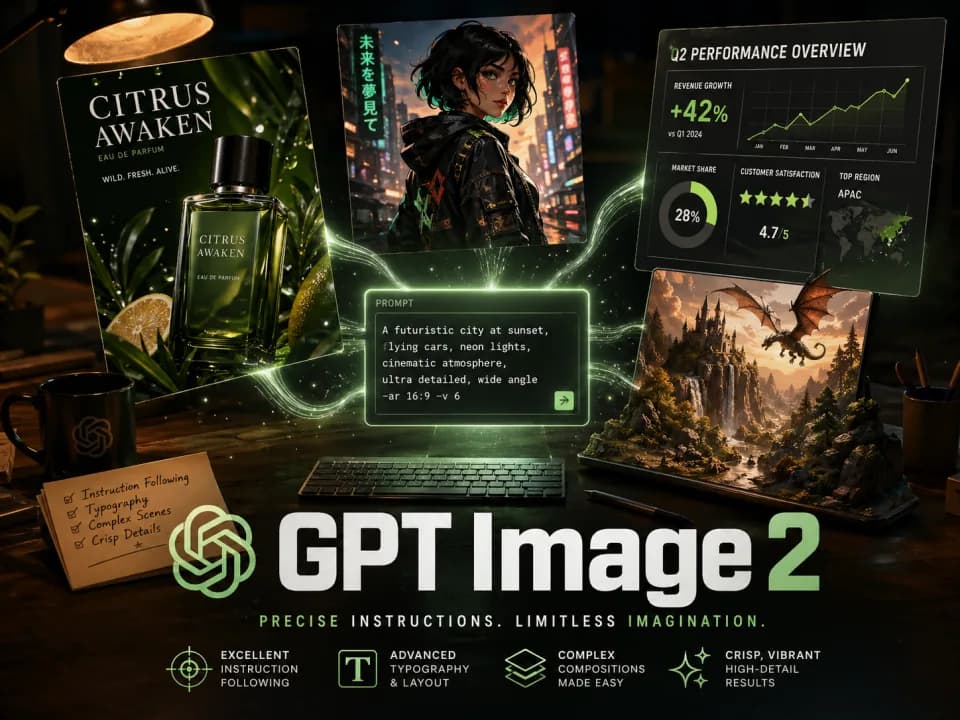
GPT Image 2
Precise prompts, clean text, product shots.
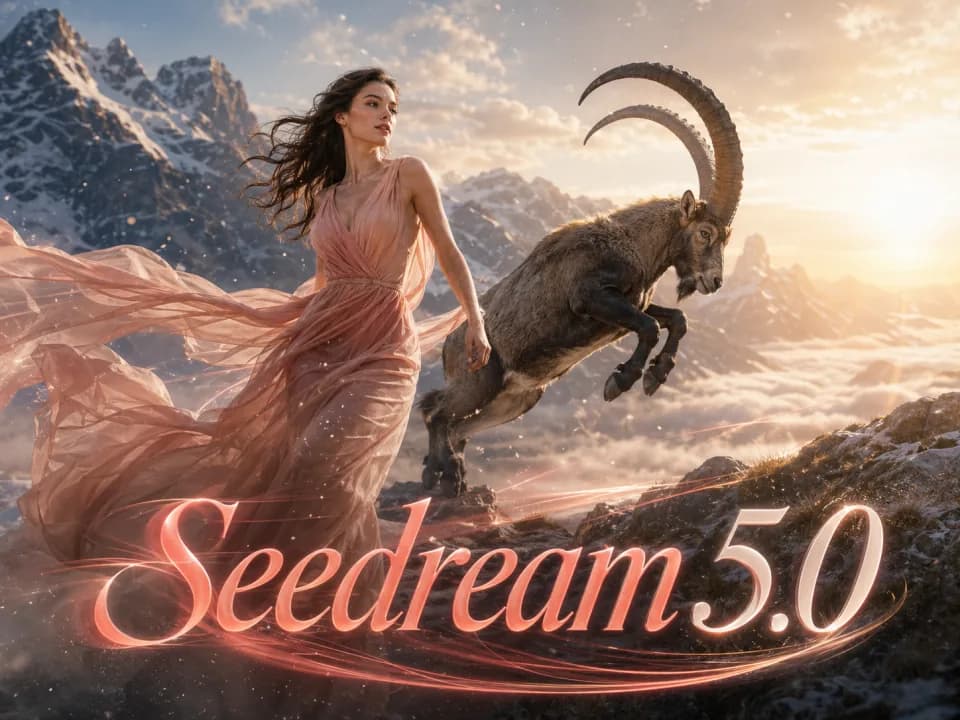
Seedream 5.0 Lite
Cinematic realism and dramatic lighting.
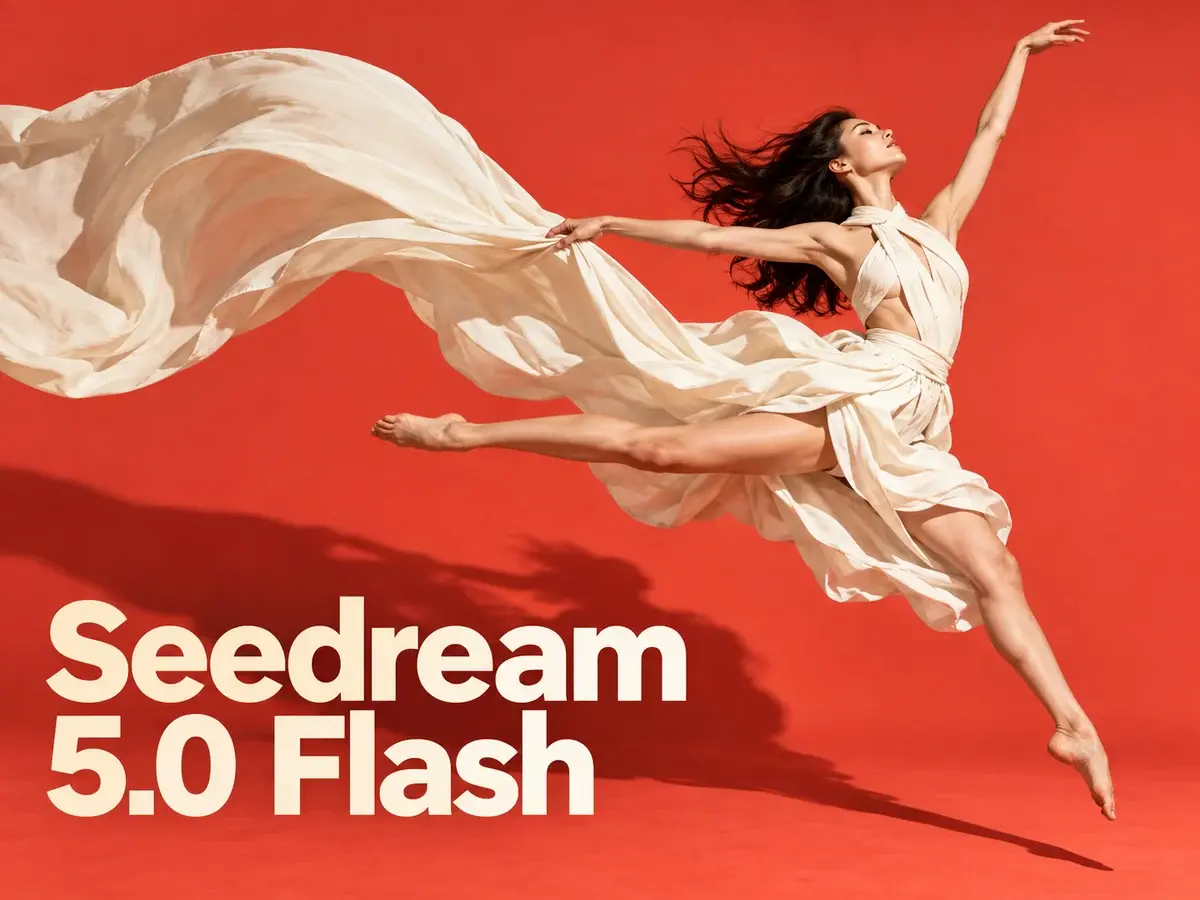
Seedream 5.0 Flash
Affordable, fast image generation and multi-reference editing.
Nano Banana 2 Lite vs Nano Banana full lineup
Lite’s clear position: lowest-cost 1K and fastest speed in this generation; Nano Banana 2 and Pro trade higher cost for 2K/4K and more advanced creation capabilities.
| Feature | Nano Banana | Nano Banana 2 Lite ★ | Nano Banana 2 | Nano Banana 2.1 | Nano Banana Pro |
|---|---|---|---|---|---|
| Model focus | Previous-generation fast model | Low-cost, high-speed tier in this generation ★ | General quality tier in this generation | Improved quality & subject consistency | Professional high-quality tier |
| Resolution | 1K | 1K ★ | Up to 4K | 1K / 2K / 4K | Up to 4K |
| Speed | Fast | About 4 seconds, about 2.7x faster ★ | Very fast | Flash-level speed | Slower (high quality) |
| Max reference images | 5 | 14 ★ | 14 | 14 | 14 |
| Web search | No | No | Yes | Web + Image Search | Yes |
| Credit cost | 9 credits | 11 credits ★ | 15/23/34/51 credits | 16/21/42 credits | 45/45/80 credits |
| Best for | Quick sketching | High-frequency iteration ★ | High-quality daily creation | Design & consistency | Professional creation |
See other Nano Banana models and choose by speed, resolution, and creative capabilities.
Choose Your Plan
Free images include a watermark. Upgrade for clean outputs, faster generation, and commercial use.
Pro
-50%Unlimited Model Benefits
 Seedream 3.5Unlimited
- Seedream 3.5 ProUnlimited Not Included
 MiniMax H3 TurboUnlimited Not Included
- MiniMax H3Unlimited Not Included
- Upgrade to unlock all advanced models and enjoy exclusive discountsMiniMax H3-70%
 Gemini
 Nano Banana
 GPT-50%Seedream-40%Veo
 Seedance 2.5
 Kling
Kling - 2,000 credits per month
- Up to 2,000 fast images
- Up to 200 basic videos
- Priority queue
- No watermarks
- Batch processing with AI tools
- Full privacy
Ultimate
-50%Unlimited Model Benefits
- Seedream 3.5Unlimited
- Seedream 3.5 ProUnlimited
- MiniMax H3 TurboUnlimited Not Included
- MiniMax H3Unlimited Not Included
- Upgrade to unlock all advanced models and enjoy exclusive discountsMiniMax H3-70%GeminiNano BananaGPT-50%Seedream-40%VeoSeedance 2.5Kling
- 5,000 credits per month
- Up to 5,000 fast images
- Up to 500 basic videos
- Highest priority queue
- No watermarks
- Batch processing with AI tools
- Full privacy
Max
-50%Unlimited Model Benefits
- Seedream 3.5Unlimited
- Seedream 3.5 ProUnlimited
- MiniMax H3 TurboUnlimited
- MiniMax H3Unlimited
- Upgrade to unlock all advanced models and enjoy exclusive discountsMiniMax H3-70%GeminiNano BananaGPT-50%Seedream-40%VeoSeedance 2.5Kling
- 10,000 credits per month
- Up to 10,000 fast images
- Up to 1,000 basic videos
- Highest priority queue
- No watermarks
- Batch processing with AI tools
- Full privacy
Nano Banana 2 Lite FAQs
Understand Lite's full capability boundaries, from 1K cost and 14 reference images to thinking_level and SynthID.
What exactly is Nano Banana 2 Lite?
It is based on Google Gemini 3.1 Flash-Lite Image and is the tier in the Nano Banana 2 series focused on speed, low cost, and high-concurrency 1K image production. It is not a simplified model limited to text-to-image; it also supports image editing, multi-image composition, character consistency, and readable in-image text generation.
Why is it considered the cheapest 1K option in its generation family?
Within Raphael's current Nano Banana 2 generation, Lite is 11 credits per 1K image, while Nano Banana 2 is 23 credits and Nano Banana Pro is 45 credits. So Lite is the lowest-cost 1K choice in this group. The previous Nano Banana is 9 credits and belongs to a different generation, so it should not be treated as the absolute minimum across the whole Nano Banana family.
Is it really around 4 seconds?
EvoLink reports a typical generation time of about 4 seconds, about 2.7x faster than Nano Banana 2. This figure illustrates the model tier speed difference and is not a fixed guarantee for every request; actual time is still affected by queue load, number of reference images, and task complexity.
Does it support 2K or 4K?
No. Lite outputs fixed 1K, which is the key trade-off for its faster speed and lower per-image cost. When final output requires 2K or 4K, high-fidelity print-ready assets, or more complex scenes, choose Nano Banana 2 or Nano Banana Pro.
How many reference images can be uploaded?
The model API supports up to 14 reference images per request, which can cover reference for people, products, apparel, scenes, and styles. The EvoLink API supports JPEG, JPG, PNG, and WebP; actual upload size still follows Raphael's page-level file limits.
What image aspect ratios are available?
The currently available ratios are 1:1, 2:3, 3:2, 3:4, 4:3, 4:5, 5:4, 9:16, 16:9, and 21:9, totaling 10 common formats, covering square posts, vertical product images, full-screen mobile content, landscape covers, and ultra-wide banners.
What is the core difference between Lite and Nano Banana 2?
Lite is fixed at 1K and has no web search; its advantages are about 4-second turnaround and lowest 1K cost in this generation. Nano Banana 2 supports 1K, 2K, 4K, and web search, and is better for users who need higher rendering quality, factual detail, and more complex instructions.
Can it keep character consistency?
Yes. The model can maintain key characteristics for people, pets, mascots, and products across editing and multi-image composition, making it useful for expression changes, continuous scenes, and ad variants. For strict consistency across many shots, stability can still be improved with fixed references and clear character feature descriptions.
What does thinking_level do?
The model API provides a thinking_level parameter to control pre-generation reasoning intensity, with auto, min, and high available. Raphael currently uses auto so the model automatically balances speed and processing depth by task; Lite remains positioned around fast return time.
Will generated images include AI markers?
Yes. Google states that SynthID is always enabled and supports C2PA content credentials for AI generation identification and traceability. SynthID is not a visible on-image watermark text overlay and typically does not affect normal viewing or use of the image.
When is Lite the best choice?
Choose Lite first when the task requires bulk output, A/B testing, chat-style continuous editing, social content, product variation, character drafts, or high-concurrency API usage. If final delivery requires 2K/4K, web-referenced information, or more complex professional output, choose Nano Banana 2 or Pro.